

About The Department
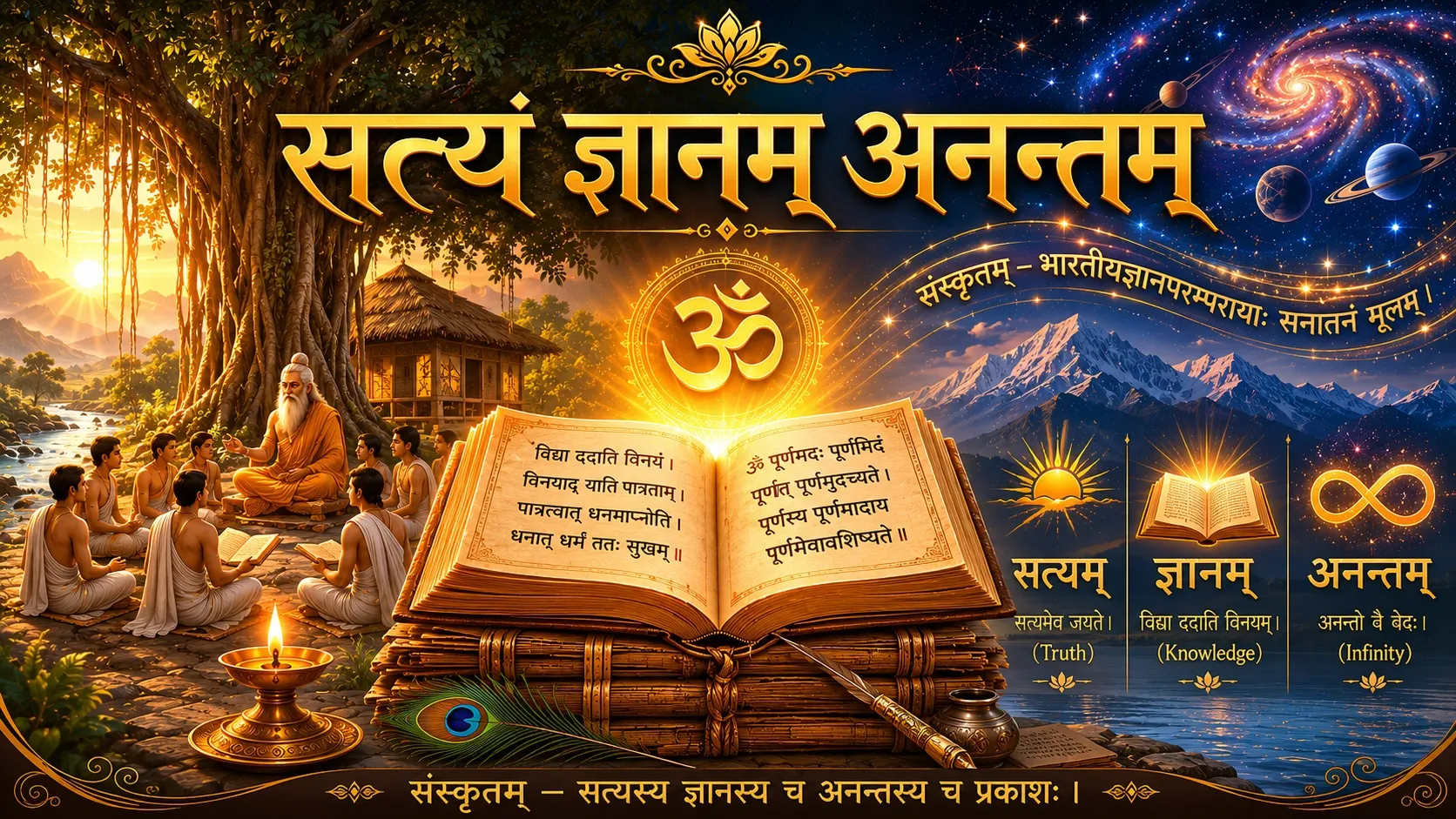
“भारते भातु भारती”
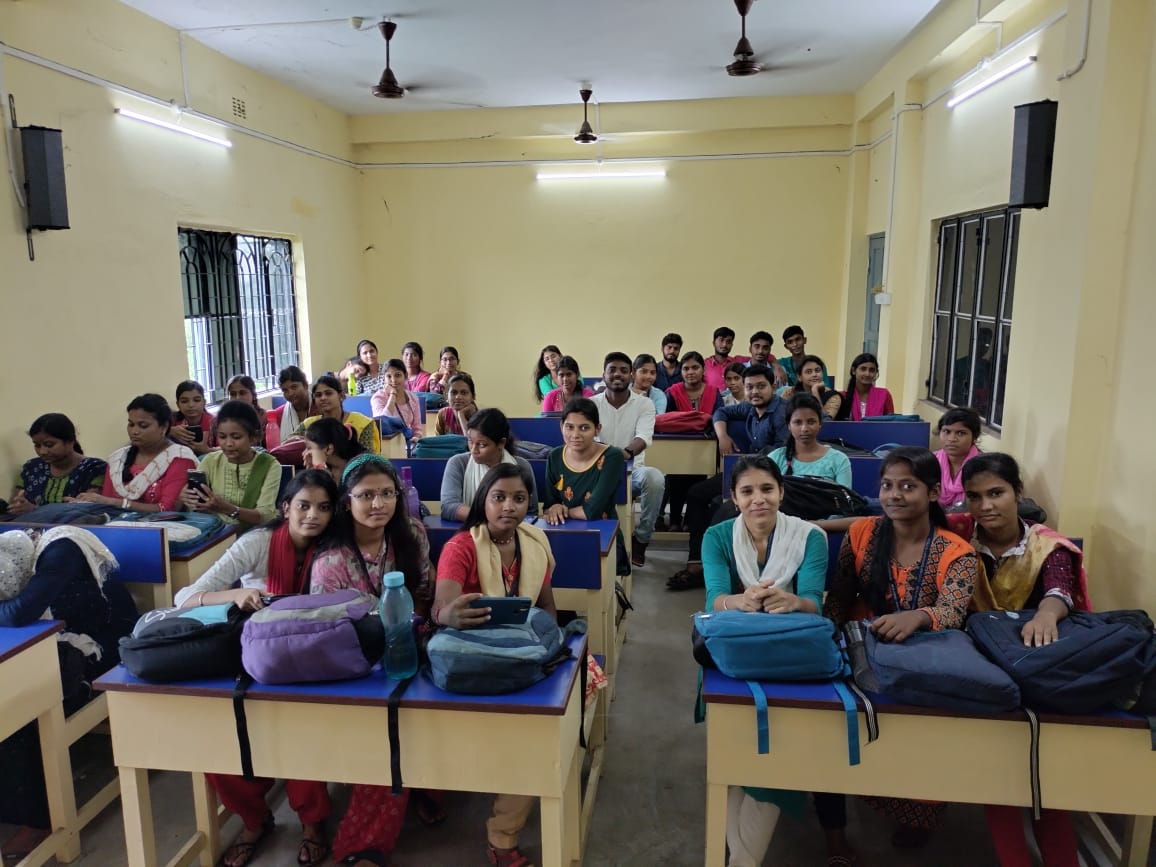
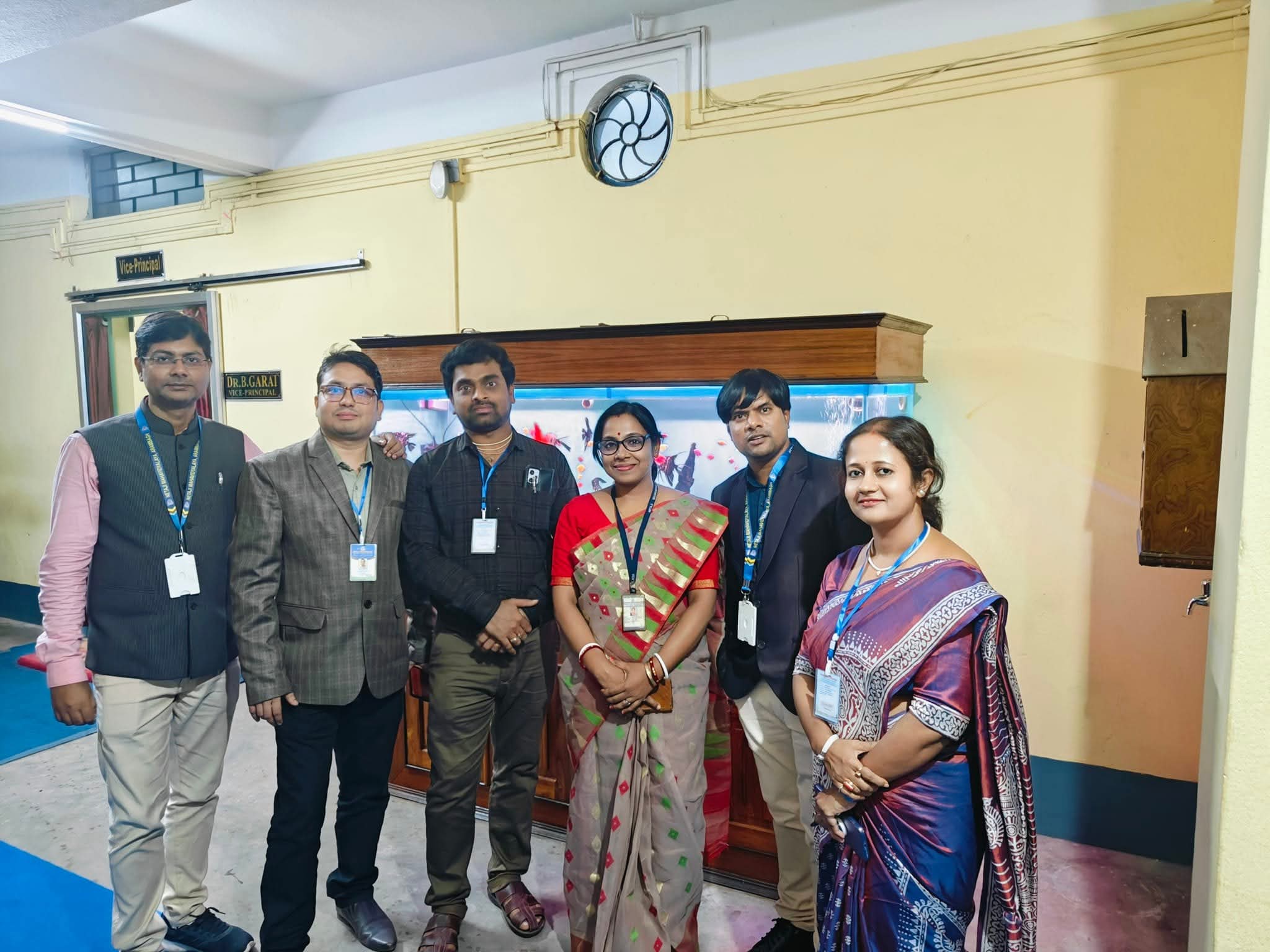
The Department of Sanskrit at Netaji Mahavidyalaya stands as a vibrant centre for the study, preservation, and dissemination of the timeless wisdom of Sanskrit—the language that has served as the foundation of India's intellectual, philosophical, scientific, literary, and spiritual traditions for millennia. Since its establishment in 1948, the Department has remained committed to academic excellence, value-based education, and the holistic development of students. Recognizing Sanskrit as a living repository of the Indian Knowledge System (IKS), the Department strives to bridge the classical and the contemporary by fostering interdisciplinary learning and research. The curriculum is designed to provide students with a comprehensive understanding of Vedic literature, Upanishads, Ramayana, Mahabharata, Puranas, Classical Sanskrit Poetry and Drama, Grammar (Vyākaraṇa), Poetics (Kāvyaśāstra), Linguistics, Indian Philosophy (Darśana), Epigraphy, Manuscriptology, and various branches of traditional knowledge. Students are encouraged to appreciate the relevance of Sanskrit in modern disciplines such as linguistics, artificial intelligence, computational linguistics, yoga studies, Ayurveda, cultural heritage, and environmental ethics. The Department adopts an innovative and learner-centric approach to teaching by integrating traditional pedagogical methods with Information and Communication Technology (ICT). Smart classroom teaching, digital learning resources, seminars, workshops, invited lectures, student presentations, group discussions, quizzes, educational excursions, wall magazines, cultural programmes, and outreach activities enrich the academic experience and inspire students towards critical inquiry and lifelong learning.
Beyond classroom education, the Department nurtures intellectual curiosity, creativity, ethical values, leadership, and social responsibility. Students are encouraged to participate in research-oriented activities, academic competitions, extension programmes, and community engagement initiatives that strengthen their confidence and holistic personality.
The Department also aims to cultivate a deeper appreciation of India's rich cultural heritage while promoting universal human values such as truth, compassion, harmony, and sustainability embedded in Sanskrit literature. Through the study of classical texts, students develop analytical thinking, communication skills, textual interpretation, and interdisciplinary perspectives that prepare them for higher education, research, teaching, translation, civil services, cultural administration, heritage management, media, and other emerging career opportunities. Guided by dedicated faculty members, the Department continuously strives to create a dynamic academic environment that encourages innovation, inclusivity, and excellence. It remains committed to preserving India's invaluable knowledge traditions while making them meaningful and relevant in the twenty-first century. With a vision of becoming a centre of excellence in Sanskrit studies, the Department seeks to contribute to national development and global scholarship by fostering knowledge, character, and cultural consciousness.
PRESENT FACULTY MEMBERS :
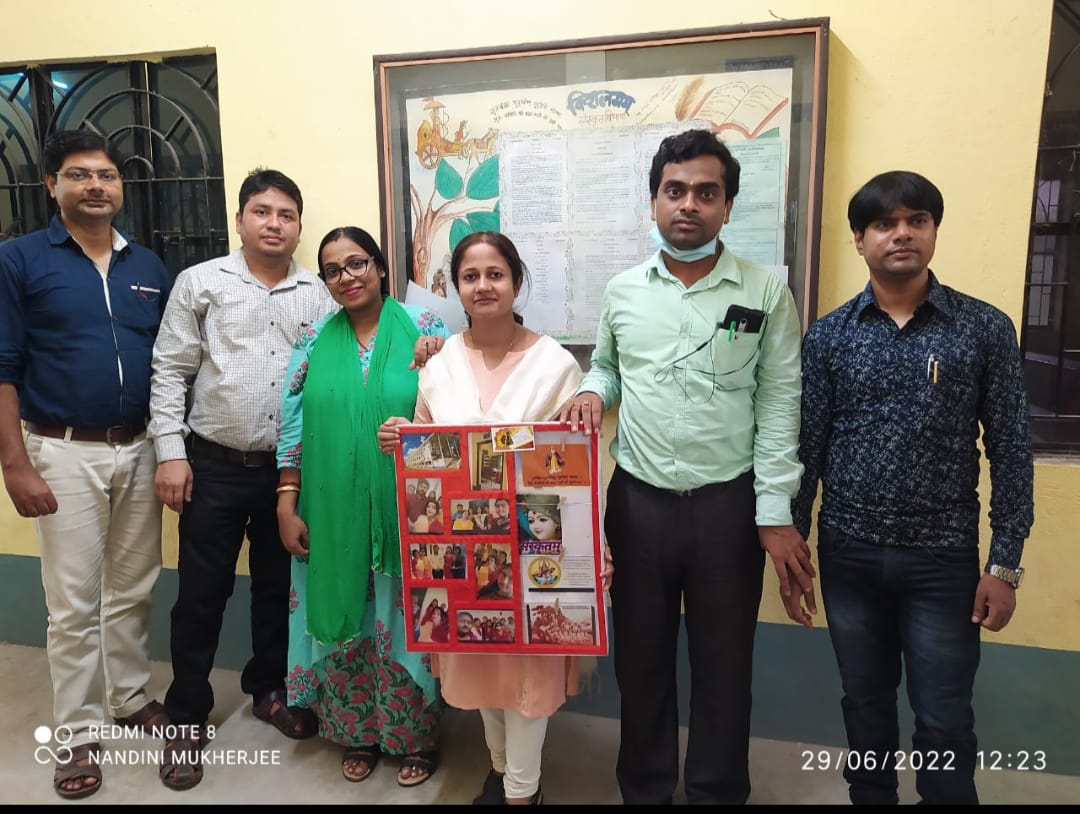
- Madhumita Shil
- Dr. Ritabrata Goswami
- Purbasha Ghosh
- Hemanta Kumar Santra
- Dr. Sujit Paramanik
- Rahim Mandal
PAST FACULTY MEMBERS :
- Dr. Sumita Batabyal
- Mritunjoy Acharya
- Deba Prosad Sinha
- Bhaskarananda Kundu
- Subrata Khanra
- Santu Bannerjee
Vision Mission & Objectives
Vision
- To emerge as a centre of excellence in Sanskrit studies by preserving India's classical knowledge traditions, promoting innovative teaching and research, and nurturing ethically responsible, culturally enriched, and globally competent citizens.
Mission
- To provide quality education in Sanskrit through innovative and student-centric teaching.
- To promote the study of the Indian Knowledge System (IKS) and interdisciplinary learning.
- To preserve and disseminate India's rich literary, philosophical, scientific, and cultural heritage.
- To encourage research, critical inquiry, and academic excellence.
- To develop ethical values, leadership, social responsibility, and lifelong learning among students.
- To prepare students for higher education, research, competitive examinations, and diverse career opportunities.
Objectives
- To develop proficiency in Sanskrit language and literature.
- To cultivate an understanding of Indian philosophy, culture, and heritage.
- To encourage critical thinking and research-oriented learning.
- To integrate traditional Sanskrit scholarship with modern academic methodologies.
- To promote value-based education and holistic personality development.