
The Central Library of Netaji Mahavidyalaya began its journey in 1950 with a modest collection of 290 books, thanks to the generous donations from local academicians who contributed their valuable books to enrich its offerings. Over the years, support from UGC grants and governmental funding has significantly contributed to the library's development. As of 2024, the library boasts an impressive collection of 60,600 printed books, 35 print magazines or periodicals, and e-journals subscribed to through N-list. Recently as may as 1300 book have been purchased from the fund under W. B. Govt. Book Grant. For its enrichment the library is indebted to some great scholars of Arambagh area and Bankura district who have contributed enormously. Subsequently, UGC grants have substantially helped to develop the library.
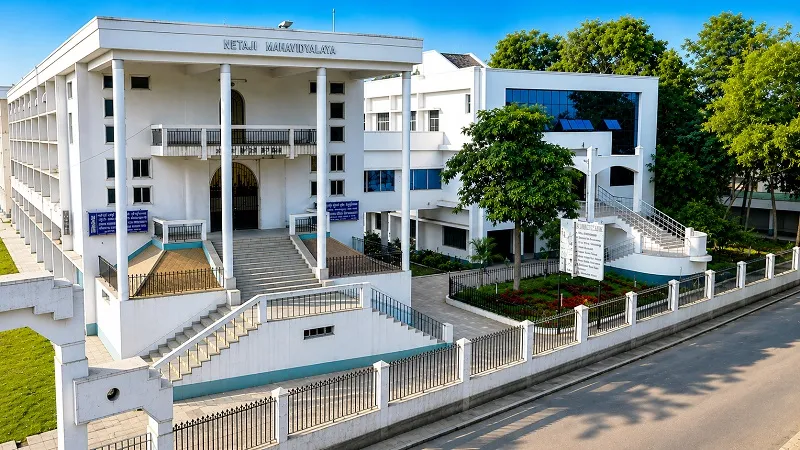
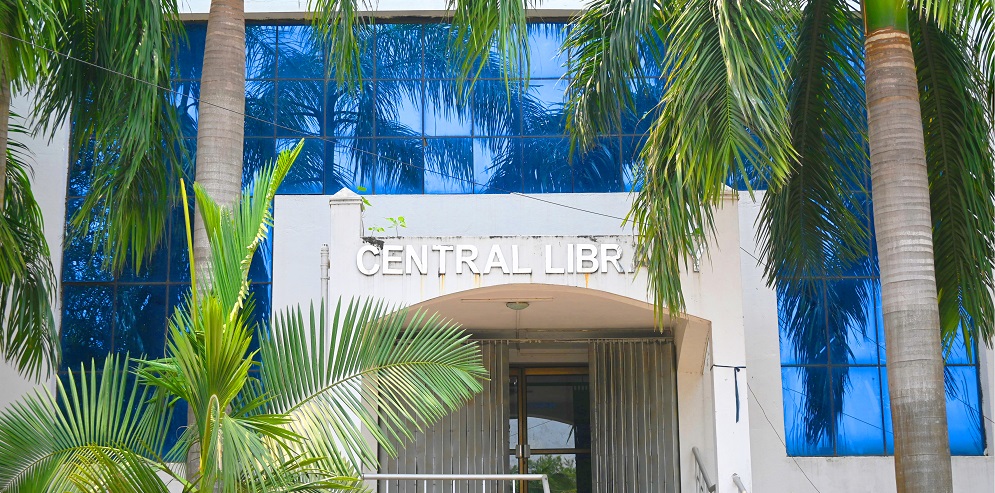
The college library system comprises a Central Library and 22 departmental libraries.The students can borrow books from them once / twice a week on production of respective library cards. The library has huge accommodation and an attractive architectural design.
At present, the library has a computerized mechanism for searching and lending books. A key feature of the library is its "open access" policy, which encourages users to explore the collection freely. The library is equipped with a computerized bibliographic database, bar-coded transaction facilities, and an online public access catalog. Students also benefit from reprographic facilities that allow relevant portions of books to be xeroxed as needed.
The Central Library serves not only the college's students and faculty but also external students and academicians. In addition, there are separate reading rooms for teachers and students. In the Periodical and Newspaper section, there are as many as 30 periodicals and 7 dailies. It plays a crucial role in advancing its users' academic development while also fulfilling its societal responsibilities. One of its noteworthy initiatives is the preservation of manuscripts, rare books, old coins, and other valuable collections related to arts & culture, which have also been preserved as part of local heritage through the development of a local history museum, recognized as a best practice within the college.
Beyond academic support during their college years, the library continues to support students' well-being even after they graduate. It provides academic information on admission opportunities across various courses in India, along with career-related counseling services to support their professional journeys.
The entry-exit and baggage counters are monitored by CCTV for security.