


Speciality and Best Practice
Special Features
-
- Honours Programme introduced in 1996 with a consistent record of academic excellence.
- Student-centred teaching through close textual analysis, interactive discussions, and continuous mentoring.
- Encourages students to engage with contemporary literary theories, criticism, and cultural studies beyond the prescribed syllabus.
- Consistently produces excellent results in the University of Burdwan examinations.
- Strong emphasis on both academic achievement and co-curricular development.
- A significant number of alumni pursue postgraduate studies and research at reputed universities, including IITs and other premier institutions.
- Alumni are successfully placed in government and private sector organisations.
- Faculty members are actively engaged in research, publishing books with reputed publishers and research papers in national and international journals.
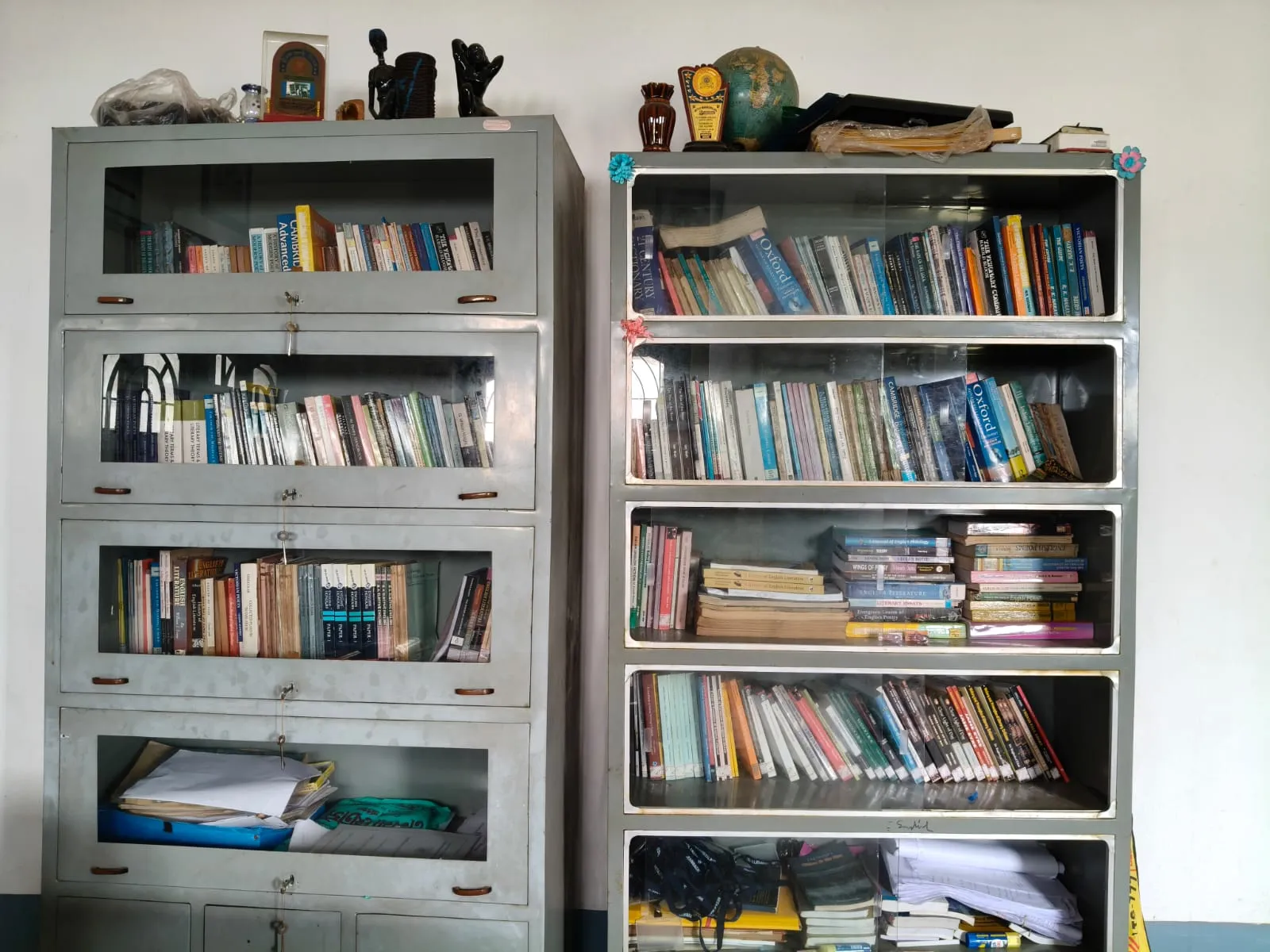
- Well-equipped Departmental Seminar Library with 403 books, supplementing the resources of the Central Library.
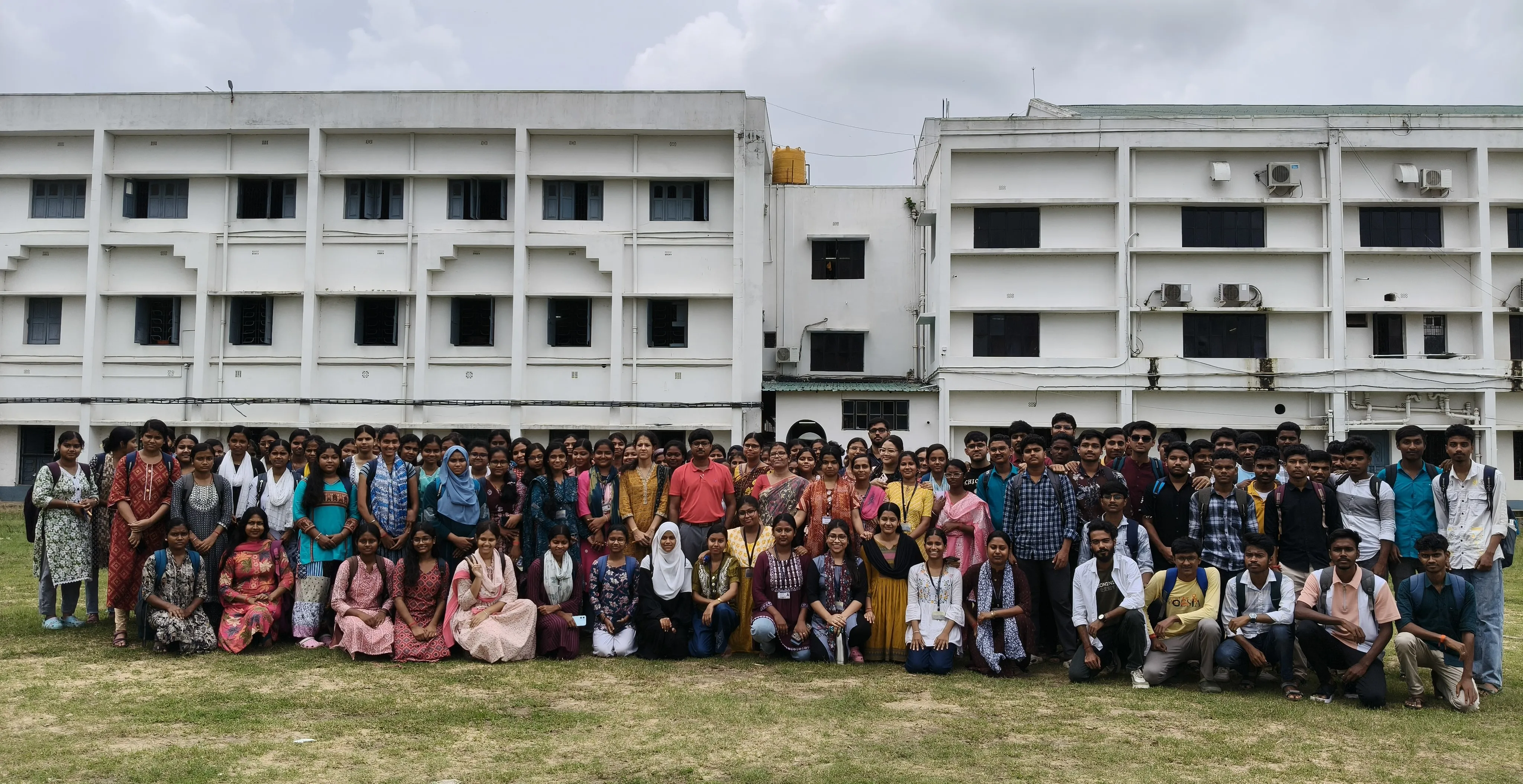
- Maintains a regular and disciplined academic environment with excellent student participation.
- Strong teacher–student rapport, fostering an inclusive and supportive learning atmosphere.
- Annual celebration of Teachers' Day, strengthening departmental camaraderie.
- Publishes the annual departmental Wall Magazine, Flint, showcasing students' creative and critical writing.
- Encourages creativity, critical thinking, communication skills, and leadership through various departmental activities.
- Focuses on the holistic development of students by nurturing academic excellence, social sensitivity, and ethical values
Mentor–Mentee Programme
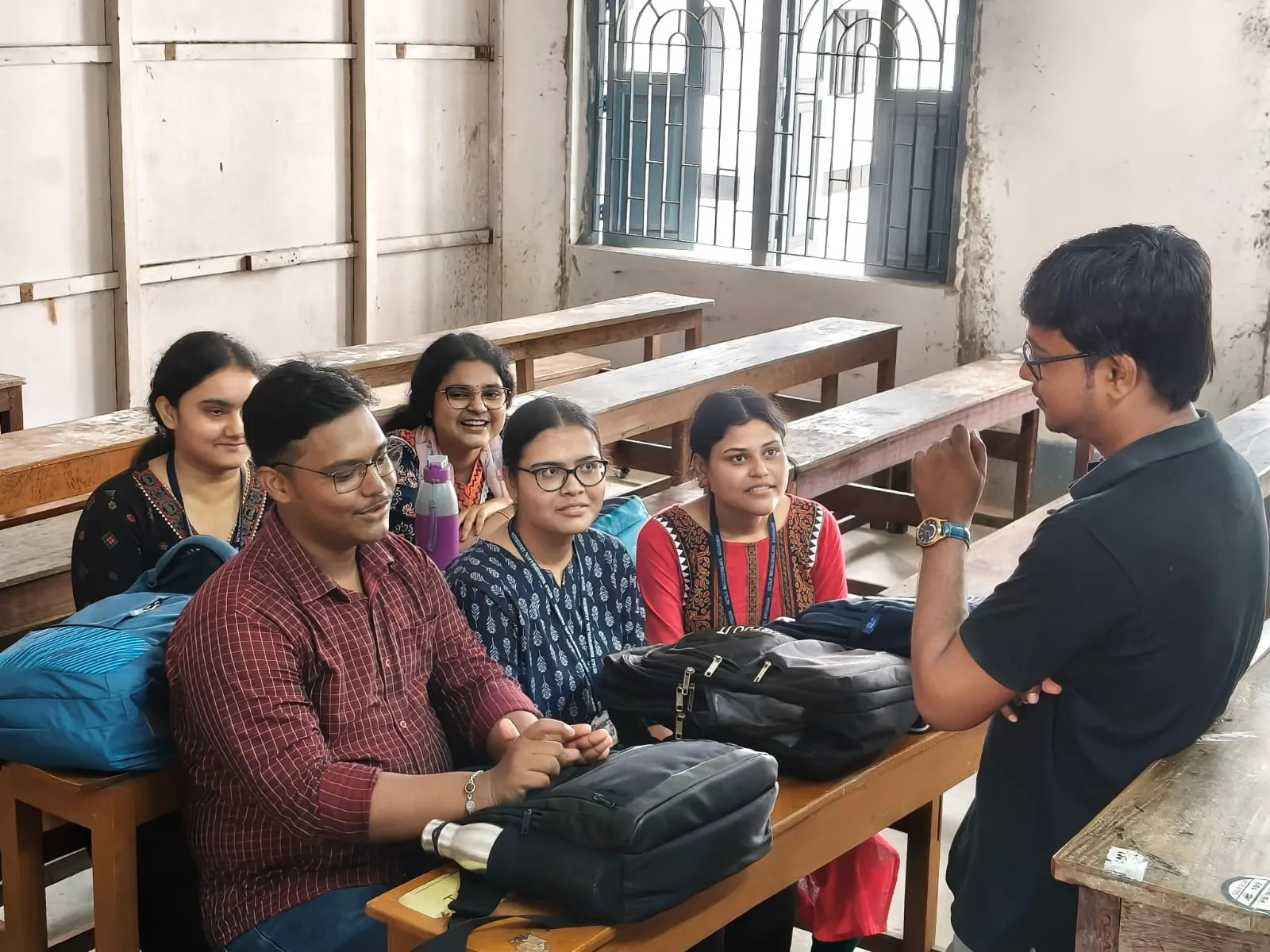
The Department of English conducts a Mentor–Mentee Programme to provide students with continuous academic, personal, and career guidance. Under this system, each faculty member is assigned a group of students and serves as their mentor throughout the academic session. Regular mentor–mentee meetings are held to discuss academic progress, attendance, examination performance, learning difficulties, career opportunities, higher education, and personal concerns that may affect the students' overall development. The programme fosters a supportive and friendly teacher–student relationship, encourages open communication, and helps identify students who require additional academic or emotional support. Through individual counselling, motivation, and timely guidance, the Mentor–Mentee Programme aims to promote holistic development, enhance students' confidence, and create a positive learning environment within the department.
Parent–Teacher Meeting
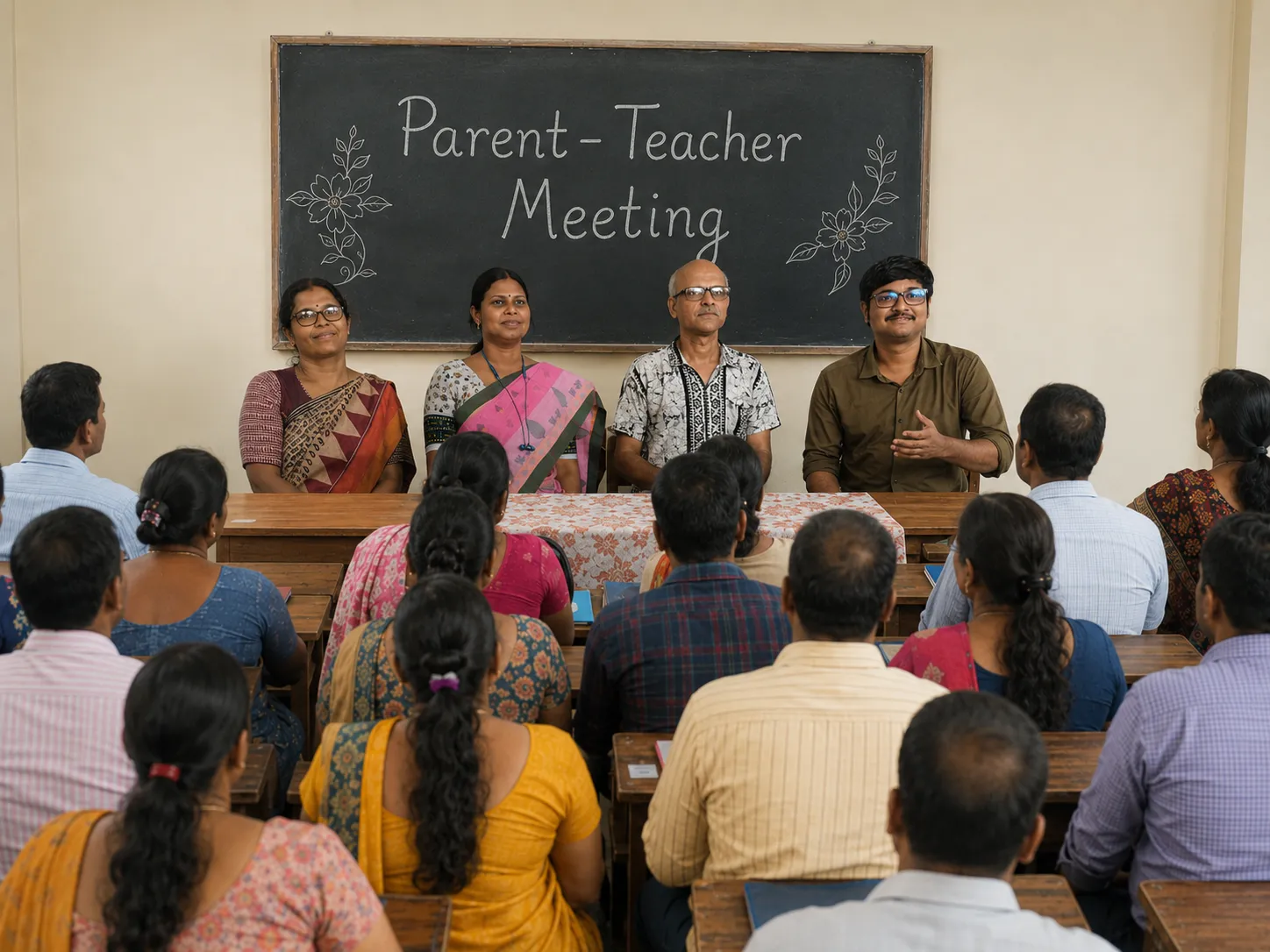
The Department of English regularly organises Parent–Teacher Meetings (PTMs) to maintain close communication with parents and guardians. These meetings provide an opportunity for parents to interact with the teachers and discuss the academic progress and overall development of their wards. Teachers share information about students' attendance, examination performance, classroom participation, discipline, and involvement in co-curricular activities. Parents are encouraged to express their views, share their concerns, and seek guidance whenever necessary. The suggestions received from parents help the department understand the needs of the students and provide better support. These meetings strengthen the bond between the department and the parents. They also create a supportive environment that helps students improve their academic performance, confidence, and overall development.
Add-On Course
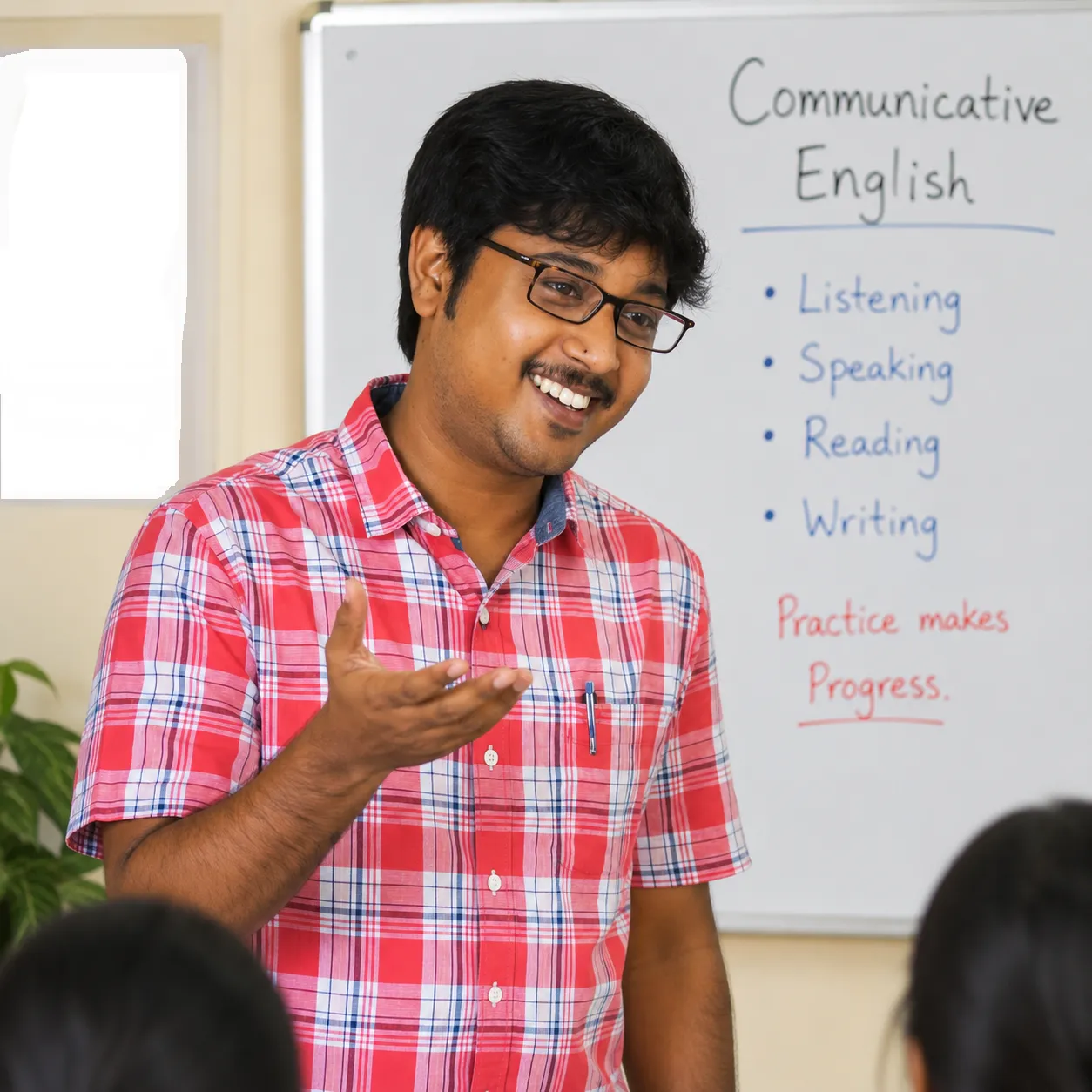
The Department of English offers an Add-On Course on Communicative English to help students improve their communication skills. The course focuses on developing listening, speaking, reading, and writing skills in English. It also aims to improve students' vocabulary, pronunciation, grammar, and confidence in using English in everyday life. Classroom activities include group discussions, presentations, role plays, and spoken English practice. The course prepares students for higher education, competitive examinations, interviews, and the workplace. It also helps them communicate effectively in both academic and professional settings.